Source High Accuracy Plastic Torque Rheometer for Testing
Find a high accuracy plastic torque rheometer for PVC and polymer quality inspection. Compare 30 models with digital displays, AC220V power, and customizable rotors from Chinese manufacturers to find the right fit; compare the available evidence and request quotations based on your requirements.
Key considerations
Products List


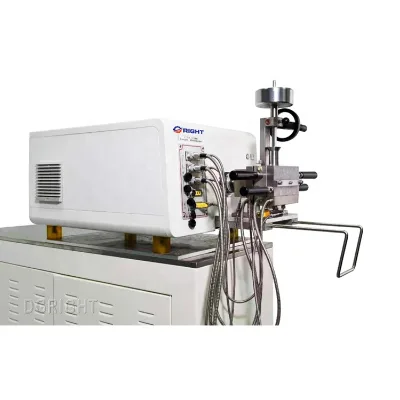
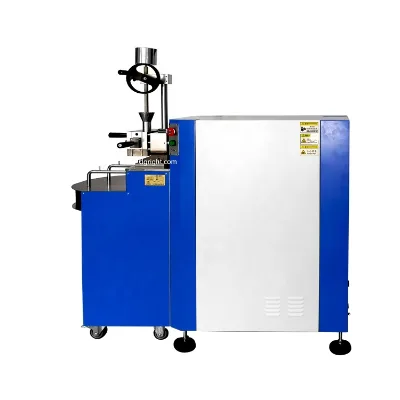
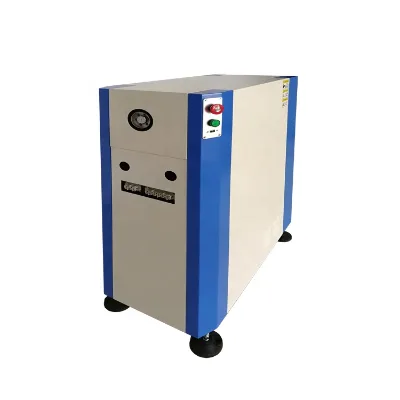


Comprehensive Sourcing Guide
High Accuracy Plastic Torque Rheometer Sourcing Guide
Buyers must first distinguish between the specific model variants available, as the market lists distinct configurations like the RMD300E and RT-128 series with varying performance envelopes. The observed product range includes units with mixing chamber volumes of 55mL, 60mL, and optional capacities up to 300mL, which directly dictates the scale of raw material testing capabilities. Understanding these physical differences is essential before engaging with suppliers, as the chamber size determines the throughput and the specific polymer batch size suitable for quality inspection.
Procurement decisions should also account for the significant variance in power requirements and rotor configurations observed across listings. While some units operate on standard 220V electrical equipment, others require 380V industrial power, and rotor options range from standard rollers to specialized Banbury, Cam, or Sigma types. Verifying the exact voltage and rotor compatibility with your existing facility infrastructure is a critical first step to avoid costly retrofitting or operational delays once the equipment is delivered.
Product Scope and Observed Listing Signals
The current market signals indicate a wide price spectrum ranging from approximately 10 to over 51,000 USD, reflecting the diversity in build quality, brand reputation, and included customization features. This broad range suggests that buyers must carefully evaluate whether a lower-cost unit meets the specific accuracy requirements for their application, as the "High Accuracy" classification is not uniformly applied to all listed items. Buyers should scrutinize the specific model number and brand name, such as RIGHT, to ensure the quoted price aligns with the expected performance tier and feature set.
Listing observations reveal that customization is a standard offering, with suppliers providing OEM, ODM, and OBM support to tailor machines to specific production needs. However, the physical specifications vary significantly, with single gross weights ranging from 100kg to 330kg and package sizes differing substantially in dimensions. These logistical factors directly impact shipping costs and warehouse requirements, making it imperative for buyers to confirm the exact packaging dimensions and weight for the specific model they intend to purchase before finalizing the order.
Technical Specifications to Verify
Technical verification must begin with the torque measurement range and accuracy, as the data shows specific models offering ranges from 0-20mm to 0-200Nm with a measurement accuracy of 0.5% F.S. Buyers should confirm that the selected unit's torque minimum reading, such as 0.001nm, aligns with the sensitivity required for their specific polymer testing protocols. Relying on generic descriptions without verifying these precise numerical limits can lead to data inconsistencies that compromise the integrity of quality control processes.
Temperature control capabilities represent another critical verification point, with observed operating ranges spanning from room temperature up to 350°C and specific display minimums of 0.1°C. The heating and cooling methods, typically electric heating combined with compressed air cooling, must be validated against the thermal profiles of the materials being tested. Additionally, the rotating speed range, observed between 0-190rpm and 0-200rpm, and the rotor speed ratios of 2:3 or 3:2 must match the rheological behavior of the plastic or rubber raw materials under investigation.
Compliance and Safety Documentation
Compliance verification requires confirming that the equipment carries recognized certifications, with ISO certification explicitly noted for certain models in the current listings. Buyers should request valid certification documents to ensure the machine meets international safety and quality standards before installation, as this documentation is often a prerequisite for regulatory approval in many manufacturing sectors. The absence of such documentation or vague claims should trigger a deeper inquiry into the manufacturer's quality management systems and adherence to safety protocols.
Safety features related to the loading method and power source must also be thoroughly reviewed to ensure operational safety in the intended environment. The observed static load method and AC220V or 380V power requirements necessitate a review of the facility's electrical safety infrastructure to prevent hazards during operation. Buyers should verify that the machine includes necessary safety interlocks and that the warranty period, typically observed as 2 years, covers critical safety components and electrical systems against failure.
Cost Drivers and Commercial Terms
Cost drivers in this category are heavily influenced by the customization level, with OEM and ODM support adding significant value but also increasing the base price. The inclusion of specific rotor options like Banbury or Sigma, along with larger mixing chamber volumes, acts as a primary determinant of the final cost. Buyers should analyze the total cost of ownership, considering that higher initial investment often correlates with better long-term durability and more precise data output for critical quality inspections.
Commercial terms regarding the minimum order quantity and packing standards are equally vital for budget planning, as observed MOQs range from 1 to 10 units with standard export packing specified. The single package size and gross weight variations directly affect freight charges and import duties, which can substantially alter the landed cost of the equipment. Buyers must negotiate clear terms regarding shipping responsibilities and ensure that the selling units are defined as single items to avoid unexpected bulk pricing structures or hidden logistical fees.
Supplier Qualification and Quality Control
Supplier qualification should prioritize manufacturers with a verified place of origin in Guangdong, China, where a concentration of specialized machinery producers exists. Buyers must assess the supplier's ability to provide the observed customization support and verify their track record with the specific brand names and model numbers listed. The presence of a 2-year warranty is a strong indicator of supplier confidence, but buyers should also inquire about the specific terms of after-sales support and the availability of spare parts for the electronic load and digital display systems.
Quality control processes must be validated through the supplier's adherence to the observed accuracy grades and control methods, such as manual control systems. Buyers should request evidence of internal testing procedures that confirm the torque measurement accuracy and temperature range stability before shipment. It is essential to ensure that the supplier's quality assurance protocols align with the high-accuracy requirements of the application, particularly for plastic and polymer material performance testing where precision is paramount.
Long-Term Procurement Checks
Long-term procurement success depends on verifying the availability of technical support and the longevity of the equipment's core components like the rotor and heating elements. Buyers should establish a clear communication channel with the supplier to ensure that maintenance guidance is available for the electric heating and compressed air cooling systems over the warranty period and beyond. The ability to source replacement rotors or upgrade the digital display system should be confirmed to extend the operational life of the machine.
Finally, buyers must plan for the scalability of their procurement strategy, considering that the observed product range includes various models with different capacities and speeds. As production needs evolve, the ability to upgrade from a 55mL chamber to a 300mL option or switch rotor types without replacing the entire unit is a significant strategic advantage. Establishing a long-term relationship with a supplier who offers flexible customization and consistent quality will ensure that the procurement of high-accuracy plastic torque rheometers remains a reliable asset for future quality control initiatives.
FAQs
What is the torque measurement accuracy for this rheometer?
The device features a torque measurement accuracy of 0.5% F.S. This high precision ensures reliable data for plastic and polymer material testing. The system supports electronic load control and digital display for clear readings. It is suitable for quality inspection of raw materials in industrial settings.
Can the machine be customized for specific production needs?
Yes, customization is available through OEM, ODM, and OBM support. Buyers can select specific rotor options such as Banbury, Cam, Sigma, or Delta. The mixing chamber volume also offers options like 55mL, 200mL, or 300mL. This flexibility allows the equipment to match unique material processing requirements.
What are the operating temperature and voltage specifications?
The operating temperature ranges from room temperature up to 350°C. The device supports AC220V and 380V electrical equipment for versatile power connections. Heating is provided by electric heating elements, while compressed air cooling maintains stability. These specs ensure safe and effective performance during polymer testing procedures.
Which certifications does the plastic torque rheometer hold?
The product holds ISO certification, ensuring compliance with international quality standards. This certification validates the manufacturing process and product reliability for global buyers. The equipment is designed for plastic rubber raw material performance inspection. Buyers can trust the certified quality for consistent testing results in their facilities.
What is the warranty period for this testing machine?
The warranty period is two years, providing long-term protection for buyers. This coverage supports the reliability of the electronic load and digital display systems. The manufacturer offers standard export packing to ensure safe delivery. Buyers receive assurance regarding the durability and performance of the torque rheometer during operation.
How fast can the rotor rotate during testing?
The rotating speed ranges from 0 to 200 rpm for certain models. Other variants offer a speed range of 0 to 190 rpm. The rotor speed ratio is typically 3:2 or 2:3 depending on the configuration. This adjustable speed allows precise control over the mixing and testing of polymer materials.